

Nocturne for LiveJournal: Missing the Y2K Internet
as a millennial, I yearn for the cringe

I made my first LiveJournal entry on January 9th, 2001. Its subject heading was “Depression.” It read:
Bleuh. I'm sick. I have some wierd stomache upset type thing, and its goddam hot, and certain people are making me anxious and worried and depressed (congratulations alek!). Yerf...if you talk to me in this mood i shall probably bite your head off, so i don't reccomend it...*sigh*. I wish something good would happen.
This was how we used the Internet in the before times. Less aspirational artifice, more spelling errors. LiveJournal wasn’t social media—not in the contemporary sense, anyway. It was a confessional blogging platform with in-built community features, a way to share the inside of your head with your nearest and dearest, or the weirdos you met on BBS boards and in AOL chatrooms.
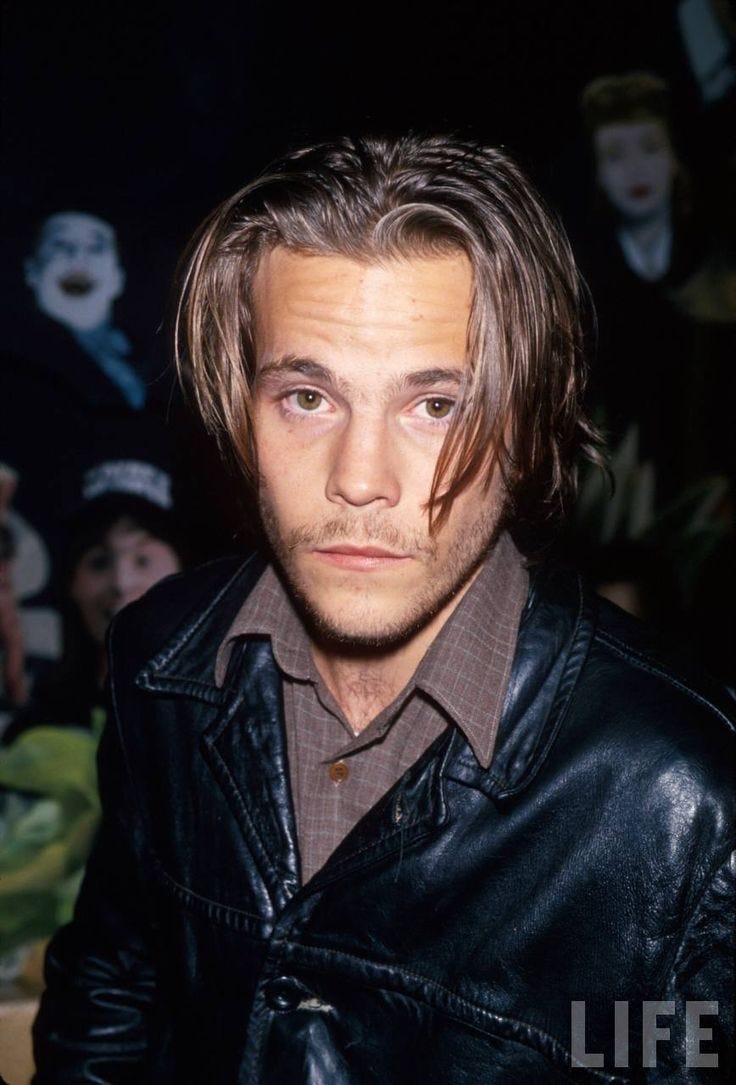
I remember Alek. He was a guy on a message board called Anime University who catfished the teenage members using pictures of actor Stephen Dorff. Alek was very depressed and on one occasion allegedly attempted suicide. My grandparents came home to find me hunched over the Hewlett-Packard PC in the computer room, bawling my eyes out and hyperventilating because my internet friend—who was clearly also my soulmate—had tried to stab himself with a kitchen knife. My mom password protected the dial-up connection and told me I wasn’t allowed on the computer anymore. I found the notebook where she’d written the password down and was back online within 48 hours.
I was fourteen on January 9th, 2001. I am forty now. I am sitting here in my office in New Orleans, sharing my inside thoughts on yet another not-quite-social-media platform. Once again, I have a wierd stomache ache. Am I anxious and worried and depressed? Probably. In the year of our lord 2026, who isn’t? But I don’t write in a journal anymore. I don’t confess my stream-of-consciousness troubles anywhere, privately or publicly. Age and experience have brought me detachment from my own emotions. The oppressive yoke of capitalism, the hustle and grind of being a small business owner and content creator have brought pressure to gild the lily, to conceal my authentic interiority except in careful, curated bursts. There are no more Quizilla quizzes telling people which Fraggle Rock character I am, or which serial killer I am most like (Charles Manson, if you were wondering). There are no more questionnaires to fill out so my friends can get to know me better. I do not want to be known better. I want to hide, to disappear.
Somewhere over the course of the past twenty five years, the internet became impersonal. It happened slowly, but to many millennials it feels like it happened all at once. One day we were updating our MySpace top 8, downloading emo bangers from LimeWire, meticulously editing doll avatars in The Palace. The next we’re being fed ads for drop shipped Temu garbage enthusiastically promoted by AI agents masquerading as impoverished, abused minorities (“I made this in my garage, please help me sell my handmade Minecraft Lamp!”). The internet runs on masks and money. Nothing is real, and we no longer expect it to be. Cynicism has colonized the world wide web, but we’re all so hopelessly caught in the current that all we can do is continue to scroll.
LiveJournal was founded by American programmer Brad Fitzpatrick in 1999. It began as fun little solo project, journaling software he made for personal use, and grew into a massively influential proto-social media platform. At its height, LiveJournal had 6.5 million users. Beyond the appeal of sharing your personal life with an audience, LiveJournal’s early social features offered a way to connect and socialize with likeminded people from all over the world. Collaborative group blogs, known as communities, offered places to network around shared interests, from Elegant Gothic Lolita fashion to the beauty of urban rot and abandoned places. There were communities that would sort you into a Hogwarts house and communities for local neighborhoods. Some of these communities achieved mainstream notoriety, like the gossip blog Oh No They Didn’t/ONTD (which lives on to this day). Other niche communities operated in the shadows: pro-anorexia communities were very popular on LiveJournal, as were mean-spirited groups for people who really hated kids.
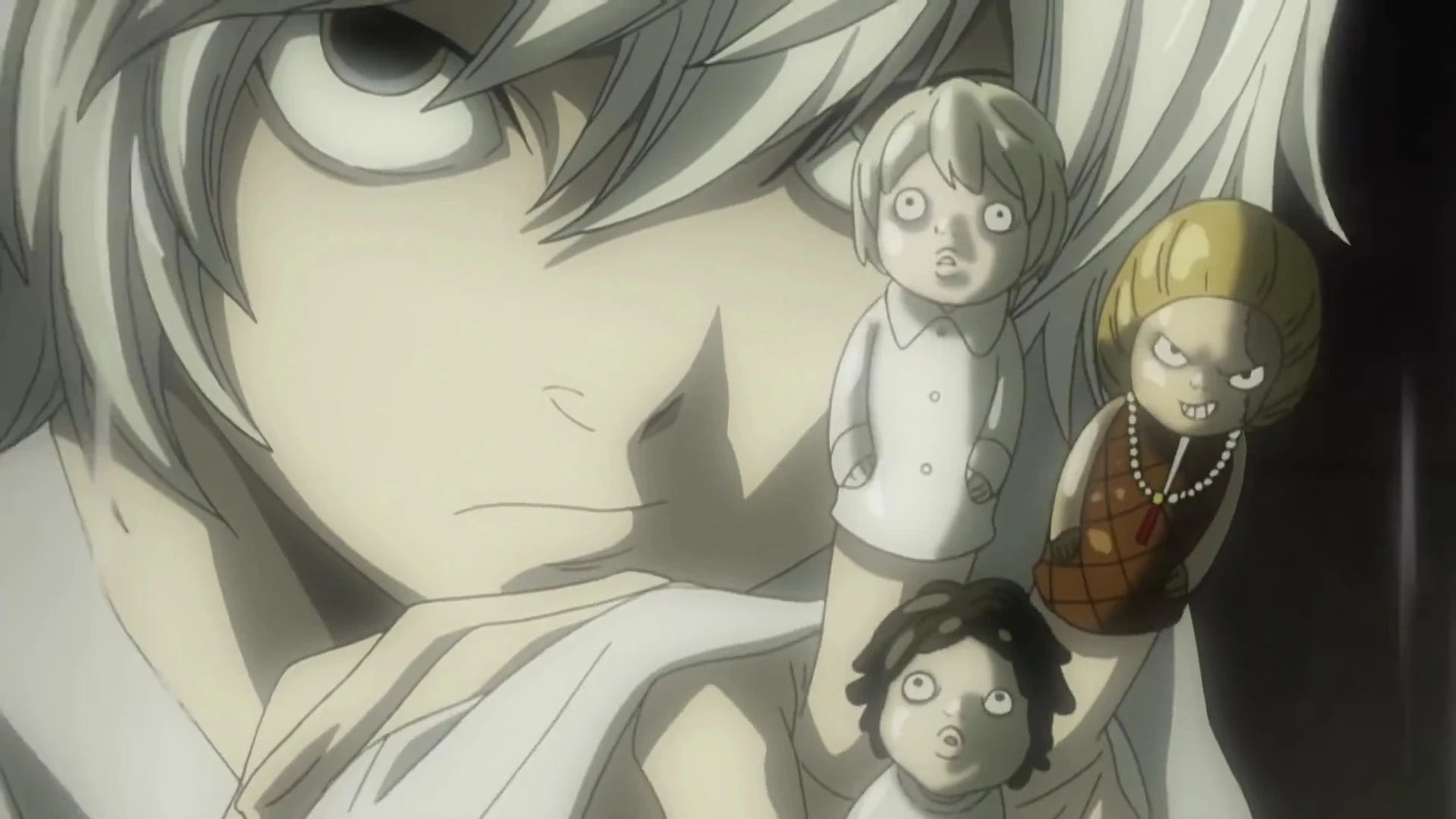
The Y2K internet was a paradox. On the one hand, people were more raw, more unfiltered, more willing to upload their whole selves to the digital archive than they are today. On the other, layers of anonymity obscured the facts of the true self. On LiveJournal I was Serra Antonia DeLioncourt Focks, a string of made-up names and fandom nods assigned to a series of avatars that were representative of the imagined self, but not the embodied self. I was a golden chandelier in an abandoned house, Rose Tyler weeping on the shoreline of Bad Wolf Bay, Drew Barrymore in that one Guess campaign from 1993. In the deep, dark roleplay communities of LiveJournal I was a vampire, and a Slytherin student (yes, fuck JK Rowling—this was 2001, we did not know), and Near from DeathNote. My created self and the characters I blogged as grew up inside me like a mycelium network. I was not myself, but I was more myself than I’ve ever been.
The internet of 2026 has lost the mask but continues the masquerade. Everything is traceable, cataloged, anchored to your Facebook profile and your IP address and the impossible amount of data you hand over to private companies every time you download an app. We cannot be anonymous, so we craft a smokescreen of curated images. It isn’t truth, but it is the performance of it. We consume, we mimic, we hope that jumping on a trend might help us go viral—without the discomfort of sharing an actual authentic moment. I do not tell the internet I am depressed. I do not tell the internet that I have failed more than I’ve thrived, that I am scared about everyone I love dying, how anxious I am that I myself will die without accomplishing even an eighth of the dreams I had when I was fourteen.
In 2005, Brad sold LiveJournal to San Francisco-based company Six Apart. Prior to this, Brad had sworn to his userbase that LJ would remain ad-free and open source. This changed with the Six Apart takeover—but the biggest change was the upswing in Russian users. For Russians in the early 2000s, LiveJournal was a golden opportunity to circumvent Putin-era crackdowns on the free press. LJ’s servers were located in California, and so Russian writers, activists, and journalists flocked to the platform to avoid censorship and potential governmental retaliation. LiveJournal was a bastion of free speech, a safe harbor where guerrilla journalism could thrive.
Unfortunately, in 2007, Six Apart sold LiveJournal to Russian media company SUP. At the time, SUP’s CEO was an alleged Kremlin insider, and a mass exodus of the platform began as rumors about service interruption, data safety, and surveillance began to swirl. LiveJournal servers weren’t migrated to Russia until 2016, but by that point the user base was predominantly Russian: US, UK, and Australian users had dropped on the site by an estimated 8.2 million.
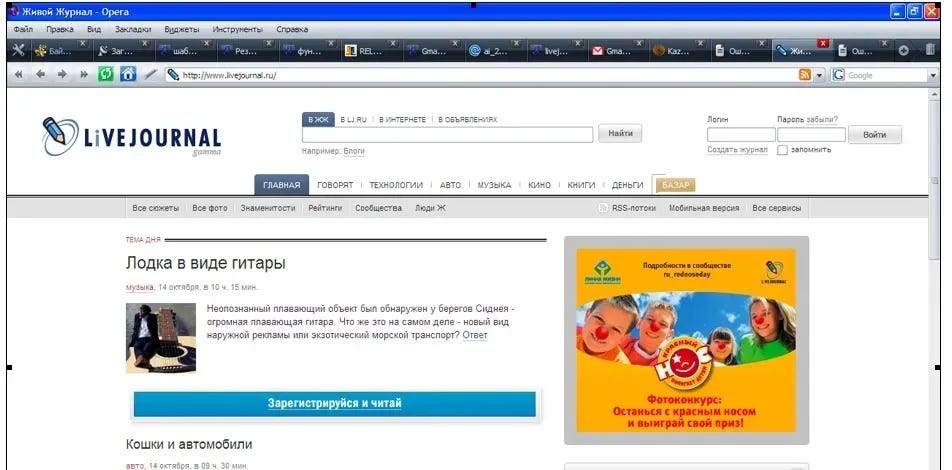
I kept writing on LiveJournal regularly until around 2010. My last real entry was, strangely enough, on August 11th of that year - the same day I am writing this essay on Substack, 16 years later. In that entry, I announced my departure to Tumblr and posted a listing for rare Placebo CDs on eBay. I had a string of different journals at that point - roleplaying blogs and digital diaries full of vibes and aesthetic, individual journals for half-abandoned writing projects. Spaces where I could reveal parts of myself, but never the full, unfiltered picture. After the Russian buyout, the English-language aspect of LiveJournal became a ghost town. Still, I get the emails in my inbox every year: “You Got a New Achievement, BLOGNAME! We’ve been together for 25 years now! Congratulations!”
In the summer of 2025, I started writing in my LiveJournal again. I had been digging through my digital archives, trying to find parts of myself to conjure from the mouth of the virtual abyss. I was working on a memoir, the story of the online Anne Rice vampire cult that had consumed me for over a decade. Pouring over old entries, getting lost in the rabbit warren of decades-old comments sections, I stumbled across the journal of an old friend. This friend, like so many of the people I knew and loved online in my teen and young adult years, was a ghost to me: a set of screen names, a black and white avatar, words on a monitor illuminating a dark room. I never met this person. We never shared a meal, never walked by the river, never got drunk while staring up at the milky eye of the moon. But our conversations, which stretched out over AIM and chatrooms, message boards and LiveJournal exchanges, shaped me into the person I am today.
I had written to him in spring of 2025, when my vampire cult story had first gone viral on social media. He’d been updating his LiveJournal as recently as 2021. “Runar Baikal,” I wrote, using one of the many pseudonyms he’d chosen for himself. “Always was, always will be. Eternal Golden Braid.”
I received no response.
Three months later, a new comment appeared from a user I didn’t recognize.
”PJ passed away on the 4th of September,” they said.
I will not turn this essay into a eulogy for PJ Runar Baikal. The strange, complex grief of that loss was not the focus of this essay, even if it is the heart of it. Maybe grief is the heart of every meditation on change. I won’t tell you that he was a cryptic, weird, Lynchian character who believed in UFOs and vampires and secret government facilities under the Denver International Airport. I won’t tell you that, after he died, I found out he was homeless for most of the time I knew him, that at the time of his death he was living in the woods, building sculptures out of old TVs and boomboxes, still voraciously reading Joyce, Lovecraft, Douglas Hofstadter. I won’t tell you that I FaceTimed his sister, that she poured shots of Jack Daniels while wearing a Halloween alien mask, that she showed me the urn where the dust that was her brother now lives, sitting on a shelf next to their grandmother’s china.
I will not cry into my keyboard on the eve of August 11, 2026, as I sit, sweating in the summer heat, my stomach hurting, anxious and sad and wondering when things will be good again. The internet is not hospitable to authenticity anymore. Maybe it never was. Maybe the current trend of nostalgiamaxxing the Y2K era is simply a response to our grief, our fear, our tired eyes turning rose-colored to cope with the ache of aging.
LiveJournal only loads half the time, now. There are rumors that the servers which handle US traffic are being slowly deprioritized, that maybe they will eventually be taken offline completely. If that happens—when that happens?—how many versions of us will vanish? How many past selves will I lose? What tethers, what tenuous memories, will be engulfed by the tedious march of progress?
Runar Baikal used to joke that he could build a time machine. Runar, if you’re out there, please come and get me. I would go back to 2001. I would do it all over again. I would spill my blood on the world wide web and I wouldn’t for a second regret it.
LiveJournal was such a very different part of the Internet. Substack is maybe the closest experience since, but its not the same. Mine was full of atrociously bad poetry and ramblings about my love life. Would I go back to 2001 if you ever got that time machine? Yes, in a heartbeat... but I suspect I would make whole new mistakes all over again.
Man, I miss LiveJournal and MySpace so damn much...2001 was the year I graduated high school and so much of those late 90s/early 00s was spent on various corners of the brand new internet. LJ though, that was where I found community. Things were so different back then. I miss when the internet was a place you went.